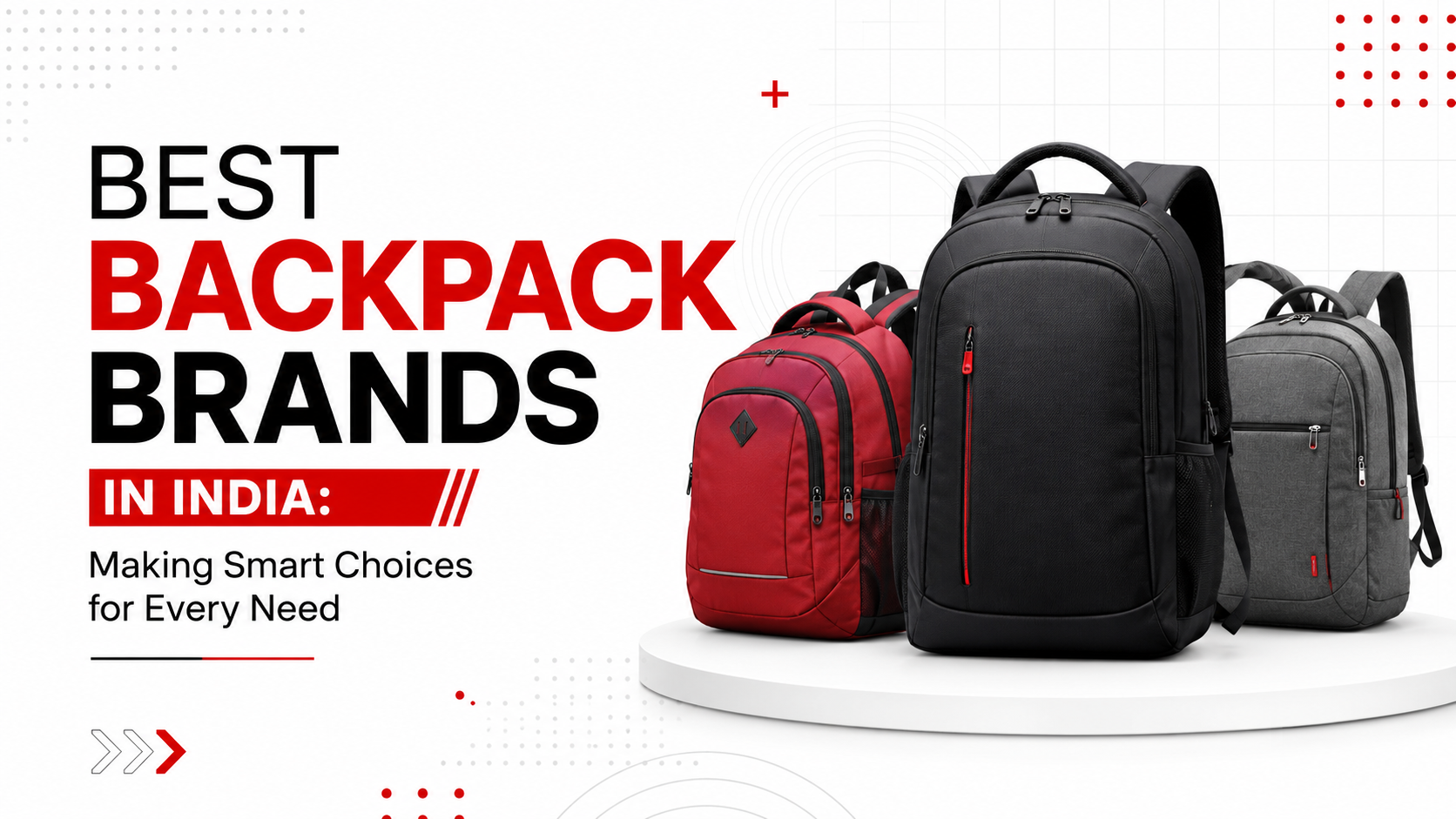
Finding the perfect backpack in India’s vast market can feel like searching for a needle in a haystack. With hundreds of brands claiming to offer the best quality, durability, and style, consumers often end up confused and overwhelmed. According to recent market research, the Indian backpack market is projected to reach $2.1 billion by 2025, reflecting the growing demand for quality carry solutions across the country. Whether you’re a student preparing for another academic year, a professional commuting daily, or an adventure enthusiast planning your next trek, choosing from the best backpack brands in India requires careful consideration of multiple factors including quality, price, functionality, and after-sales service.
The backpack has evolved from being a simple school necessity to an essential lifestyle accessory that reflects personality while serving practical purposes. Indian consumers today are more aware and demanding than ever before, seeking products that combine durability with aesthetic appeal, functionality with affordability, and local availability with international standards. This comprehensive guide explores the leading backpack brands available in India, helping you make an informed decision based on your specific requirements and budget constraints.
Understanding the Indian Backpack Market Landscape
The Indian backpack industry has witnessed remarkable transformation over the past decade. What was once dominated by a handful of brands has now become a competitive marketplace featuring international giants, homegrown success stories, and emerging startups. This diversity offers consumers unprecedented choice but also creates confusion about which brands truly deliver value for money.
The market segmentation in India is fascinating and reflects the country’s diverse needs. Student backpacks form the largest segment, accounting for approximately 45 percent of total sales, followed by laptop and office backpacks at 25 percent, travel and trekking backpacks at 20 percent, and specialized backpacks for cameras, cycling, and other specific purposes making up the remaining 10 percent. Each segment has brands that excel in particular areas, and understanding these specializations helps consumers identify the best options for their needs.
Consumer behavior in India has shifted dramatically with increased internet penetration and e-commerce growth. Online reviews, comparison shopping, and brand research have become standard practice before purchase decisions. Indian buyers now prioritize durability and warranty over mere brand names, with 68 percent of consumers stating that product reviews significantly influence their buying decisions. This informed consumer base has pushed brands to improve quality standards and customer service considerably.
Price sensitivity remains a defining characteristic of the Indian market, but there’s a growing segment willing to pay premium prices for superior quality and features. The sweet spot for most consumers lies in the 1000 to 3000 rupee range for regular use backpacks, while specialized trekking and technical backpacks see acceptance of prices ranging from 5000 to 15000 rupees. Understanding this pricing landscape helps contextualize the value proposition offered by different brands.
Wildcraft The Pioneer of Adventure Backpacks in India
When discussing the best backpack brands in India, Wildcraft invariably tops the list for outdoor and adventure backpacks. Founded in 1998 by Siddharth Sood and Dinesh Sood, Wildcraft has grown from a small Bangalore-based operation to India’s most recognized outdoor gear brand. The company’s focus on creating products specifically designed for Indian conditions and body types has been instrumental in its success.
Wildcraft‘s product range spans from everyday backpacks to specialized trekking gear, with their Wiki series being particularly popular among students and daily commuters. The pricing ranges from approximately 1500 rupees for basic models to over 12000 rupees for professional trekking backpacks. What sets Wildcraft apart is their extensive research and development, with products tested in real outdoor conditions across India’s diverse terrain from the Himalayas to the Western Ghats.
The brand’s commitment to quality is evident in their use of premium materials like ripstop polyester, YKK zippers, and ergonomic padding systems. Their backpacks typically feature multiple compartments, rain covers, and ventilated back panels that address the specific challenge of India’s hot and humid climate. The durability of Wildcraft products is legendary, with many users reporting their backpacks lasting five to seven years even with daily use.
Wildcraft’s distribution network is another significant advantage, with over 250 exclusive stores across India and presence in major retail chains. This extensive network ensures easy access to products and efficient after-sales service, a crucial factor often overlooked when evaluating backpack brands. The company offers warranties ranging from one to three years depending on the product line, demonstrating confidence in their manufacturing quality.
Customer feedback consistently highlights Wildcraft’s excellent ergonomics and comfort even during extended use. The padded shoulder straps and adjustable chest straps distribute weight evenly, reducing strain during long commutes or treks. However, some users note that Wildcraft products can be slightly more expensive than competitors, but the general consensus suggests that the quality justifies the price premium.
American Tourister Combining Legacy with Modern Design
American Tourister, part of the Samsonite family, brings over nine decades of luggage expertise to the Indian backpack market. While the brand is globally recognized for suitcases, their backpack line has gained substantial traction in India since receiving focused attention in the mid-2010s. The brand successfully combines international design sensibilities with pricing tailored for the Indian market.
The backpack collection from American Tourister caters primarily to students, young professionals, and casual travelers. Their products typically range from 1200 to 4500 rupees, positioning them as premium yet accessible options for middle-class Indian consumers. The designs are contemporary and vibrant, appealing particularly to the younger demographic seeking style alongside functionality.
American Tourister backpacks are characterized by robust construction using high-grade polyester and nylon fabrics that resist wear and tear effectively. The brand emphasizes organized storage with dedicated laptop compartments in most models, multiple pockets for accessories, and water bottle holders. The zippers, often a weak point in many backpacks, are notably sturdy in American Tourister products, contributing to their longevity.
The brand’s widespread availability through both online and offline channels makes purchasing and servicing convenient across Indian cities. American Tourister products are available in major department stores, exclusive brand outlets, and all leading e-commerce platforms. The warranty period typically extends to two years for manufacturing defects, providing buyers with reasonable assurance about product quality.
User reviews frequently mention the excellent water resistance of American Tourister backpacks, a valuable feature during India’s monsoon season. The color fastness is another appreciated aspect, with backpacks maintaining their appearance even after years of use. Some criticism points toward limited options for serious trekking or heavy-duty outdoor use, as the brand focuses primarily on urban and casual travel applications.
Skybags The Colorful Choice for Young India
Skybags, launched by VIP Industries in 2008, revolutionized the Indian backpack market by introducing bold colors and youthful designs at affordable price points. The brand’s tagline “Set the Sky on Fire” perfectly captures its approach of encouraging self-expression through vibrant products that don’t break the bank. Skybags has successfully created a distinct identity in the competitive landscape of the best backpack brands in India.
The product portfolio of Skybags is extensive, covering school backpacks, college bags, laptop backpacks, and casual daypacks. Pricing is deliberately kept accessible, with most products falling between 800 and 3000 rupees, making quality backpacks available to a broader consumer base. This pricing strategy has made Skybags particularly popular among students and parents looking for reliable yet economical options.
Skybags emphasizes contemporary design and color choices that appeal to younger consumers. From bright neons to subtle pastels, from quirky prints to minimalist solids, the variety is impressive. Beyond aesthetics, the brand focuses on practical features like padded laptop sleeves, rain covers, reflective strips for safety, and ergonomic back panels. The materials used are generally durable polyester blends that withstand daily wear reasonably well.
The brand’s collaboration with various educational institutions for customized backpacks has strengthened its position in the student segment. These tie-ups not only boost sales but also serve as quality endorsements from trusted institutions. Skybags also regularly introduces licensed products featuring popular cartoon characters, movie franchises, and sports teams, adding collectible value to their offerings.
Customer satisfaction with Skybags tends to be high in the budget segment, with users appreciating the value for money proposition. The backpacks perform well for regular school, college, and office use, though they may not match the durability of premium brands over extended periods. The warranty coverage of one to two years is standard, and the after-sales service is generally responsive, benefiting from VIP Industries’ established service network across India.
HP and Dell Specialized Excellence in Laptop Backpacks
While primarily known as technology companies, both HP and Dell have established strong positions among the best backpack brands in India specifically for laptop backpacks. These brands bring their understanding of laptop protection requirements into backpack design, creating products that excel in safeguarding expensive electronics while providing general carrying functionality.
HP laptop backpacks range from basic models priced around 1000 rupees to premium options exceeding 5000 rupees. The designs prioritize laptop safety with dedicated, heavily padded compartments that can accommodate various laptop sizes from 14 inches to 17 inches. The padding extends to other compartments as well, protecting tablets, power banks, and other electronic accessories that modern professionals carry daily.
Dell’s approach is similar, with backpacks designed considering the specific dimensions and weight distribution of their laptop models. However, the products work equally well with laptops from other brands. Dell backpacks typically feature checkpoint-friendly designs that allow users to pass through airport security without removing their laptops, a thoughtful addition for frequent business travelers.
Both brands use water-resistant materials and often include rain covers for additional protection during monsoons. The organizational compartments are well-planned with cable management systems, pen holders, and document sleeves that cater specifically to professional needs. The aesthetic is generally understated and professional, suitable for corporate environments without appearing boring or overly formal.
The quality assurance that comes with established technology brands extends to their backpack lines. Manufacturing standards are high, with attention to stitching quality, zipper durability, and material strength. Both HP and Dell offer warranties typically ranging from one to two years, and service is generally hassle-free given their existing customer service infrastructure across Indian cities.
User feedback consistently praises the laptop protection these backpacks offer, with multiple reports of devices surviving accidental drops thanks to superior padding. The shoulder straps are engineered considering the weight of laptops and accessories, distributing load effectively to prevent discomfort. The primary limitation is that these backpacks are optimized for professional and urban use rather than outdoor adventures or rugged conditions.
The North Face Premium Quality Meets Performance
The North Face represents the premium end of the best backpack brands in India, catering to serious outdoor enthusiasts and consumers who prioritize uncompromising quality. Founded in 1966 in San Francisco, the brand has built a global reputation for technical excellence in outdoor gear, and their Indian presence has grown steadily among discerning buyers willing to invest in superior products.
The North Face backpacks available in India range from approximately 5000 rupees for basic daypacks to over 25000 rupees for expedition-grade backpacks with advanced features. This pricing reflects the brand’s positioning as a premium option, but the quality justifies the investment for serious users. The materials used include advanced fabrics like Cordura nylon, FlexVent suspension systems, and genuine YKK zippers that ensure longevity even under demanding conditions.
The technical features of The North Face backpacks set them apart significantly. Advanced ventilation systems keep backs cool during strenuous activities, load distribution technologies reduce fatigue on long treks, and weather-resistant constructions protect contents in extreme conditions. Many models include hydration compatibility, trekking pole attachments, and modular expansion systems that allow customization based on specific expedition requirements.
The brand’s commitment to sustainability is increasingly relevant to environmentally conscious Indian consumers. Several product lines incorporate recycled materials without compromising performance, appealing to buyers who consider environmental impact in purchase decisions. This sustainability focus, combined with exceptional durability that reduces replacement frequency, makes The North Face products environmentally responsible despite premium pricing.
Availability in India has improved significantly with exclusive stores in major metros and authorized dealers in tier-two cities. The e-commerce presence ensures nationwide access, though buyers should verify authenticity when purchasing online given the prevalence of counterfeit products. The North Face offers comprehensive warranties and has responsive customer service, crucial for products in the premium price range.
Customer testimonials frequently describe The North Face backpacks as investment pieces that deliver years of reliable service. Professional trekkers, mountaineers, and serious hikers consistently recommend the brand for demanding outdoor activities. The main consideration is that the pricing may be prohibitive for casual users or those requiring backpacks primarily for urban commuting, where mid-range brands offer adequate performance at lower costs.
Decathlon Quechua Affordable Quality for the Masses
Decathlon’s Quechua brand has disrupted the Indian market by offering exceptional quality at remarkably accessible prices. Since entering India in 2009, Decathlon has built a loyal customer base by challenging the traditional pricing models of outdoor gear. Quechua backpacks demonstrate that affordability need not compromise quality, earning the brand a rightful place among the best backpack brands in India.
Quechua backpacks start at incredibly low prices of around 400 rupees for basic models and extend to approximately 6000 rupees for advanced trekking backpacks. This pricing is achieved through Decathlon’s integrated business model where they design, manufacture, and retail their products, eliminating middleman margins. The value proposition is extraordinary, with backpacks offering features typically found in products costing twice or thrice the price.
The range covers hiking daypacks, travel backpacks, children’s backpacks, and specialized options for activities like cycling and skiing. The designs are functional rather than flashy, focusing on practical features that enhance user experience. Rain covers are standard even in budget models, compartments are logically organized, and the materials, while not premium, offer good durability for the price point.
Decathlon’s experiential retail stores allow customers to test products before purchasing, a significant advantage over purely online brands. The staff is trained to provide guidance based on intended use rather than pushing expensive options, building trust with consumers. This consultative approach has created brand loyalty, with many customers returning for upgrades or additional products after positive initial experiences.
The warranty and return policies are customer-friendly, with Decathlon accepting returns even without strict conditions in many cases. This confidence in their products and commitment to customer satisfaction has earned them excellent ratings across review platforms. The main limitation is that while Quechua backpacks perform admirably for their price, they may not match the absolute durability and advanced features of premium brands during extreme professional use.
Gear Homegrown Excellence in Outdoor Products
Gear, an Indian brand established in 1957, represents homegrown expertise in manufacturing quality backpacks and outdoor accessories. Originally known for school bags, the brand has successfully expanded into trekking, travel, and lifestyle backpacks while maintaining affordability and quality. Gear’s understanding of Indian consumer needs and climatic conditions gives it a distinct advantage in creating relevant products.
The pricing strategy of Gear positions it squarely in the mid-range segment, with most backpacks priced between 1000 and 4000 rupees. This sweet spot appeals to cost-conscious buyers seeking better quality than budget brands without venturing into premium pricing. The product range is diverse, covering school bags, college backpacks, office bags, and trekking backpacks, ensuring options for various demographics and purposes.
Gear backpacks are characterized by sturdy construction using quality materials that withstand the rigors of daily Indian use. The brand pays particular attention to stitching and reinforcement at stress points, significantly extending product life. Many models feature water-resistant coatings and rain covers, addressing the practical challenge of monsoons that affect much of India annually.
The distribution network of Gear is extensive, with presence in both major retail chains and smaller local stores across tier-two and tier-three cities where international brands often have limited reach. This accessibility has built strong brand recognition, particularly outside metropolitan areas. The after-sales service, while not as sophisticated as premium brands, is adequate and responsive to genuine complaints.
Customer feedback on Gear products is generally positive, especially regarding value for money. Parents appreciate the durability of school bags that survive multiple academic years of rough handling. Students and young professionals find the designs contemporary enough without appearing trendy or dated quickly. The main criticism relates to limited options for serious outdoor activities, as Gear’s strength lies more in everyday use products than technical outdoor gear.
Aristocrat Reliable Performance at Affordable Prices
Aristocrat, part of the VIP Industries family alongside Skybags, focuses on delivering reliable performance at budget-friendly prices. While less flamboyant than its sibling brand Skybags, Aristocrat has carved a niche by offering straightforward, functional backpacks that prioritize durability and practicality over design gimmicks. This approach resonates with consumers seeking no-nonsense products that simply work.
The product line of Aristocrat includes school backpacks, laptop bags, and casual daypacks with pricing typically ranging from 700 to 2500 rupees. This aggressive pricing makes quality backpacks accessible to budget-conscious buyers without forcing them to compromise excessively on quality. The designs are conservative and professional, appealing to users who prefer understated aesthetics over bold statements.
Aristocrat backpacks use durable polyester fabrics that resist tearing and color fading effectively. The zippers are generally reliable, and the stitching quality ensures longevity under regular use conditions. While not featuring advanced technical elements like premium brands, the backpacks include practical features such as laptop sleeves, multiple compartments, and water bottle pockets that meet everyday needs adequately.
The brand benefits from VIP Industries’ extensive distribution and service network, ensuring availability across India and reasonable after-sales support. The warranty coverage of one to two years is standard for the segment, providing basic assurance about manufacturing quality. Aristocrat products are particularly popular among school and college students whose primary requirements are affordability and decent durability.
Reviews of Aristocrat backpacks consistently highlight their reliability and longevity given the price point. Users report satisfactory performance over multiple years of regular use, making them excellent value purchases. The limited design variety and absence of specialized features for specific activities like trekking or professional photography are noted drawbacks, but these limitations are expected given the budget positioning.
Tommy Hilfiger and United Colors of Benetton Fashion Meets Function
The entry of international fashion brands into the backpack segment has created an interesting category where style credentials are as important as functionality. Tommy Hilfiger and United Colors of Benetton represent this intersection of fashion and utility among the best backpack brands in India, appealing to consumers who view backpacks as fashion accessories that also serve practical purposes.
Tommy Hilfiger backpacks range from approximately 2500 to 8000 rupees, positioning them as premium lifestyle products. The designs carry the brand’s signature preppy aesthetic with prominent logos, classic color combinations, and quality finishing that reflects fashion industry standards. While functionality is not compromised, the emphasis is clearly on making a style statement, appealing particularly to fashion-conscious urban youth.
United Colors of Benetton follows a similar approach with backpacks priced between 2000 and 6000 rupees. The brand’s characteristic colorful and youthful aesthetic translates well into backpack designs that stand out in crowds. The quality is generally good, using decent materials and construction techniques, though the price premium clearly includes brand value beyond pure functionality.
Both brands cater primarily to urban, casual use rather than outdoor adventures or heavy-duty applications. The backpacks perform well for college, office commutes, shopping trips, and weekend outings. Features like laptop compartments, organizational pockets, and padded straps are standard, ensuring practical utility alongside fashion appeal.
The availability is primarily through brand outlets, select department stores, and online platforms. After-sales service is generally professional, befitting the premium positioning, though the service networks are not as extensive as brands focused purely on backpacks and luggage. The warranty periods typically range from six months to one year, shorter than specialized backpack brands but acceptable for fashion accessories.
Customer opinions divide based on priorities. Fashion-focused buyers appreciate the brand value and aesthetic appeal, considering them worthwhile purchases for making personal style statements. Practical users sometimes question the value proposition, noting that purely functional brands offer similar or better features at lower prices. The decision ultimately depends on whether the buyer values brand prestige and design as much as pure utility.
Mokobara The New Age Direct to Consumer Challenger
Mokobara represents the new wave of direct-to-consumer brands disrupting traditional retail models in India. Launched in 2019, this homegrown startup has quickly gained recognition by combining contemporary designs, quality materials, and customer-centric policies. Mokobara’s inclusion among the best backpack brands in India demonstrates how innovative business models can challenge established players effectively.
The brand’s backpack range focuses on travel and lifestyle segments with prices typically between 3000 and 12000 rupees. The positioning is premium yet accessible, targeting millennial and Gen-Z consumers who shop primarily online and value authentic brand narratives. Mokobara emphasizes sustainability, quality, and thoughtful design details that enhance user experience in meaningful ways.
Mokobara backpacks are characterized by minimalist aesthetics, durable materials like recycled polyester, and practical features developed through customer feedback. The organizational systems are well-planned for modern needs, including dedicated tech compartments, anti-theft pockets, and external USB charging ports. The designs are unisex and timeless, avoiding trend-driven elements that date quickly.
Being a direct-to-consumer brand, Mokobara sells exclusively through its website and select online platforms, eliminating physical retail presence. This model allows competitive pricing by cutting intermediary costs, though it limits the try-before-buy experience that many Indian consumers prefer. The company addresses this through generous trial periods and hassle-free return policies that reduce purchase anxiety.
The customer service and community building efforts of Mokobara are notable. The brand actively engages with customers through social media, incorporating feedback into product development and creating a sense of shared ownership. The lifetime warranty on manufacturing defects demonstrates confidence in quality and builds long-term customer relationships beyond transactional sales.
Early customer reviews of Mokobara are overwhelmingly positive, praising the quality, design, and customer service. The brand has built a loyal following among urban professionals and frequent travelers who appreciate the thoughtful features and reliable performance. The main limitation is the relatively limited product range compared to established brands, though the focused approach ensures consistent quality across all offerings.
Choosing the Best Backpack Brand Based on Your Specific Needs
Selecting from the best backpack brands in India requires matching brand strengths with your specific requirements rather than assuming any single brand is universally superior. Different usage scenarios demand different priorities, and understanding these distinctions ensures satisfaction with your purchase decision.
For students seeking school or college backpacks, brands like Skybags, Gear, and Aristocrat offer excellent value with adequate durability at accessible prices. These brands understand the rough handling backpacks endure in educational settings and design accordingly. Features to prioritize include comfortable padding, multiple compartments for organizing books and stationery, and water resistance for monsoon protection.
Working professionals requiring laptop backpacks should consider American Tourister, HP, Dell, and Mokobara depending on budget and preferences. These brands emphasize laptop protection, professional aesthetics, and organizational features relevant to office environments. Key features include checkpoint-friendly designs for frequent travelers, cable management systems, and durable constructions that maintain appearance over time.
Adventure enthusiasts and serious trekkers need specialized backpacks from brands like Wildcraft, The North Face, or Decathlon Quechua. These brands offer technical features essential for outdoor activities such as ventilated back panels, hydration compatibility, rain covers, and load distribution systems. The choice between Wildcraft and The North Face often comes down to budget, while Quechua offers surprising quality for casual trekkers at budget prices.
Fashion-conscious buyers who view backpacks as style accessories might prefer Tommy Hilfiger, United Colors of Benetton, or Mokobara. These brands deliver contemporary designs that complement personal style while providing adequate functionality for urban use. The premium paid over purely functional brands buys aesthetic value and brand prestige important to this consumer segment.
Budget is naturally a crucial consideration, but should be evaluated in the context of expected usage duration and intensity. A premium backpack costing 8000 rupees that lasts seven years with daily use offers better value than a 2000 rupee backpack requiring replacement every eighteen months. Calculating cost per year of use rather than absolute purchase price provides better value assessment.
Evaluating Quality Indicators Across Backpack Brands
Understanding quality indicators helps consumers evaluate backpacks objectively rather than relying solely on brand reputation or marketing claims. Several physical and design elements reliably indicate whether a backpack will deliver satisfactory long-term performance.
Material quality is fundamental, with backpack fabrics ranging from basic polyester to advanced technical fabrics like Cordura and ripstop nylon. Higher denier numbers indicate thicker, more durable fabrics, though this must be balanced against weight considerations. Water-resistant coatings significantly enhance functionality in India’s climate, protecting contents during unexpected rain. Examining material specifications rather than vague quality claims provides objective assessment basis.
Zipper quality dramatically affects backpack longevity since zippers are common failure points under regular use. YKK zippers are globally recognized for reliability and appear in quality backpacks across price ranges. Testing zippers for smooth operation, checking that teeth align properly, and ensuring pulls are sturdy indicates likely durability. Brands using quality zippers demonstrate attention to critical details that distinguish lasting products from disposable ones.
Stitching quality and reinforcement at stress points separate well-constructed backpacks from poorly made ones. Examining stitching density, thread quality, and reinforcement at straps, handles, and base corners reveals construction standards. Double or triple stitching at high-stress areas indicates thoughtful engineering, while sparse or uneven stitching suggests cost-cutting that compromises durability.
Padding and ergonomic design affect comfort significantly, especially for backpacks carried for extended periods or with substantial weight. Quality foam padding in back panels and shoulder straps that maintains shape over time prevents discomfort and potential injury. Adjustable straps, chest straps, and waist belts that allow customized fitting demonstrate sophisticated design addressing real user needs rather than aesthetic considerations alone.
Warranty coverage reflects manufacturer confidence in product quality and provides recourse for defective products. Longer warranty periods generally indicate better quality, though warranty terms should be read carefully to understand what is actually covered. Brands with established service networks across India offer practical advantages when warranty claims become necessary, making after-sales support an important quality consideration.
The Growing Importance of Sustainability in Backpack Selection
Environmental consciousness is increasingly influencing purchase decisions among Indian consumers, particularly younger demographics. Several backpack brands have responded by incorporating sustainable practices into manufacturing, creating options for environmentally responsible buyers without compromising quality or functionality.
Material sourcing represents a primary sustainability consideration, with brands like Mokobara and The North Face incorporating recycled polyester and other eco-friendly materials into their products. These recycled materials now match virgin materials in performance while reducing environmental impact significantly. The transparency with which brands communicate material sources and environmental certifications helps conscious consumers make informed choices.
Manufacturing processes and labor conditions are increasingly scrutinized by aware consumers. Brands maintaining ethical manufacturing standards, providing fair wages, and ensuring safe working conditions appeal to buyers considering broader impacts beyond personal use. While this information is not always readily available, brands voluntarily disclosing manufacturing practices demonstrate commitment to responsibility beyond profit maximization.
Product longevity itself constitutes a crucial sustainability factor since durable backpacks reduce replacement frequency and associated environmental impacts. Investing in quality backpacks from established brands, despite higher initial costs, often proves more environmentally responsible than repeatedly purchasing cheaper options requiring frequent replacement. This perspective aligns economic and environmental interests, making sustainability accessible beyond just premium buyers.
End-of-life considerations are emerging as brand differentiators, with some companies offering recycling programs or repair services extending product life. These initiatives remain relatively rare in India’s backpack market but represent positive developments worth supporting through purchasing decisions. Brands demonstrating circular economy thinking deserve consideration from sustainability-focused consumers.
The challenge for consumers lies in distinguishing genuine sustainability from greenwashing where environmental claims are more marketing than substance. Verifying certifications, researching brand practices beyond marketing materials, and prioritizing transparent brands helps navigate this complexity. As sustainability becomes more mainstream, demand for authentic environmental responsibility will pressure more brands to adopt meaningful practices.
Online Versus Offline Purchasing Considerations for Backpacks
The purchasing decision between online and offline channels involves tradeoffs that vary based on individual priorities and circumstances. Understanding these considerations helps optimize the buying experience and increases satisfaction likelihood with the final purchase.
Physical retail stores offer the significant advantage of examining products directly before purchase. Feeling material quality, testing zippers, trying backpacks for fit and comfort, and assessing actual appearance versus photographs provides confidence that online shopping cannot fully replicate. This hands-on evaluation is particularly valuable for first-time buyers of particular brands or those purchasing premium products where investment justifies the effort of store visits.
Offline stores also provide immediate gratification without delivery waiting periods and eliminate concerns about product damage during shipping. The ability to interact with knowledgeable sales staff who can explain features, suggest appropriate options, and address questions adds value, especially for buyers uncertain about specifications or requirements. Exclusive brand stores typically offer the most comprehensive product ranges and expertise.
Online shopping offers unmatched convenience, allowing comprehensive comparison across brands, models, and prices from home. The ability to read numerous customer reviews provides insights impossible to gather in physical stores, helping identify common issues or consistently praised features. E-commerce platforms frequently offer better prices than physical retail due to lower overhead costs and competitive dynamics, making online shopping economically attractive.
The return policies of online platforms provide safety nets for unsatisfactory purchases, though processing returns involves effort and time that some consumers find frustrating. Counterfeit products represent a genuine concern when purchasing branded backpacks online, necessitating verification of seller authenticity and avoiding deals that seem unrealistically cheap. Purchasing directly from brand websites or authorized retailers through established platforms like Amazon and Flipkart minimizes this risk.
The optimal approach often combines both channels, researching and examining products offline before purchasing online for better prices, or reverse-showrooming by researching online then purchasing from physical stores for immediate availability and trial confidence. Many brands now integrate online and offline experiences through initiatives like ordering online with in-store pickup, providing flexibility that accommodates different preferences.
Maintenance and Care Tips to Maximize Backpack Longevity
Proper maintenance significantly extends backpack life regardless of brand or price point, maximizing return on investment while maintaining appearance and functionality. Simple care practices prevent premature deterioration and keep backpacks performing optimally throughout their intended lifespan.
Regular cleaning prevents dirt accumulation that degrades materials over time. Most backpacks benefit from periodic gentle hand washing using mild detergent and lukewarm water, avoiding harsh chemicals that damage water-resistant coatings or fabric colors. Specific cleaning instructions vary by material and should be followed carefully, though general principles of gentle treatment and thorough drying apply universally. Air drying away from direct sunlight prevents heat damage and color fading.
Loading backpacks properly according to capacity limits prevents stress on seams, zippers, and straps that causes premature failure. Distributing weight evenly rather than concentrating heavy items in single areas maintains structural integrity and wearing comfort. Using internal organizational pockets prevents sharp objects from pressing against external fabric, reducing puncture and abrasion risks. These simple practices significantly extend usable life without requiring special effort.
Storage conditions affect backpack longevity between uses. Storing in dry, ventilated spaces prevents mold and mildew growth that damages materials and creates unpleasant odors. Keeping backpacks away from extreme temperatures and direct sunlight during storage preserves material properties and colors. For long-term storage, loosely packing backpacks to maintain shape while ensuring air circulation optimizes preservation.
Prompt attention to minor damage prevents escalation into major problems requiring expensive repairs or replacement. Reinforcing loose stitching immediately, replacing damaged zipper pulls before zippers fail completely, and patching small tears before they expand are simple interventions yielding disproportionate benefits. Many brands offer repair services for their products, and utilizing these services when available demonstrates good stewardship while supporting brands committed to product longevity.
Rotating between multiple backpacks for those who own several reduces wear on individual items and extends collective lifespan. This approach also allows matching specific backpacks to particular uses, optimizing functionality while distributing wear. Though requiring larger initial investment, this strategy ultimately proves economical while ensuring appropriate backpacks are always available for different needs.
Understanding Warranty Coverage and Customer Service Across Brands
Warranty terms and customer service quality significantly impact ownership experience beyond initial purchase satisfaction. Understanding what various brands offer in these areas helps set realistic expectations and provides recourse when problems arise.
Warranty periods among the best backpack brands in India typically range from six months to three years, with most falling between one and two years. The coverage usually addresses manufacturing defects including material failures, stitching problems, and zipper issues but excludes damage from misuse, accidents, or normal wear and tear. Reading warranty terms carefully before purchase prevents misunderstandings about what is actually covered.
The warranty claim process varies significantly across brands. Established brands with dedicated service networks like Wildcraft, American Tourister, and Skybags typically offer straightforward processes with service centers in multiple cities. Newer direct-to-consumer brands like Mokobara handle claims through online channels, requiring shipping products for inspection and repair. Understanding the process beforehand helps assess the practical value of warranty coverage.
Customer service responsiveness and helpfulness separate exceptional brands from merely adequate ones. Brands investing in customer service training and empowering representatives to resolve issues create positive experiences even when problems occur. Online reviews frequently mention customer service experiences, providing insights into how brands handle complaints and warranty claims in practice versus policy statements.
Documentation requirements for warranty claims usually include purchase receipts and sometimes product registration. Maintaining these documents and completing registration when offered ensures smooth warranty processes if problems arise. Digital documentation through email confirmations and photographs of receipts prevents loss of physical documents that could complicate claims.
Beyond formal warranty periods, brands’ willingness to address issues through goodwill gestures distinguishes customer-focused companies from purely transaction-oriented ones. Some brands repair or replace products beyond warranty periods at reasonable costs, while others offer trade-in programs or discounts on replacements. These policies reflect brand values and contribute to long-term customer loyalty beyond individual transactions.
The Future of Backpack Brands in India Trends and Innovations
The Indian backpack market continues evolving rapidly, driven by changing consumer preferences, technological innovations, and increasing quality expectations. Understanding emerging trends helps consumers anticipate what future products might offer and helps brands position for continued relevance.
Smart backpack features integrating technology are gaining traction, particularly among urban professionals and students. Built-in USB charging ports, anti-theft RFID pockets, GPS tracking capabilities, and even solar panels for charging devices represent innovations moving from novelty to mainstream. As prices for these technologies decrease, their incorporation into mid-range products will expand accessibility beyond premium segments.
Customization and personalization are increasingly important to consumers seeking products reflecting individual identity. Brands offering modular designs, customizable color combinations, or personalized embroidery tap into this desire for unique products in mass markets. Direct-to-consumer brands particularly can leverage digital manufacturing to offer economically viable customization that traditional retail models cannot match.
Sustainability will continue gaining importance as environmental awareness spreads and younger, eco-conscious consumers comprise larger market proportions. Brands demonstrating genuine commitment through material choices, manufacturing processes, and circular economy initiatives will gain competitive advantage. Regulations may eventually mandate environmental standards, making current voluntary initiatives tomorrow’s minimum requirements.
The blurring of category boundaries reflects changing lifestyles and multi-functional product expectations. Backpacks serving equally well for office commutes, gym sessions, and weekend getaways appeal to consumers seeking versatile solutions over specialized products. Brands successfully creating genuinely multi-purpose designs without compromising functionality in any area will capture this growing segment.
Experiential retail combining online convenience with offline engagement represents the future of backpack shopping. Virtual try-on technologies, augmented reality applications showing how backpacks look when worn, and seamless integration of online research with offline purchase or vice versa will become standard expectations. Brands investing in omnichannel experiences will connect most effectively with increasingly sophisticated consumers.
Making Your Final Decision Among the Best Backpack Brands in India
After exploring the landscape of the best backpack brands in India, the final purchase decision requires synthesizing information into choices matching your specific circumstances, needs, and values. Several frameworks help structure this decision-making process effectively.
Creating a prioritized list of requirements helps focus evaluation on factors actually impacting satisfaction. Distinguishing between essential features that disqualify products lacking them versus desirable features that are nice but not critical prevents paralysis from overwhelming options. This hierarchy clarifies thinking and simplifies comparing products against meaningful criteria rather than tangential specifications.
Setting a realistic budget range rather than a single price point provides flexibility to upgrade if compelling reasons justify additional investment while preventing overspending on features providing minimal practical benefit. Calculating total cost of ownership including expected lifespan rather than just purchase price often justifies higher initial investment in quality products offering better long-term value.
Researching specific models within shortlisted brands through customer reviews, expert evaluations, and where possible, hands-on examination provides concrete information beyond brand reputations. Specific models within brands vary in quality and value, making model-level research essential rather than assuming all products from preferred brands are equally good.
Considering purchase timing can yield savings, with major sales events like festivals, year-end clearances, and back-to-school promotions offering significant discounts on quality backpacks. However, avoiding penny-wise-pound-foolish decisions where waiting for sales results in settling for less suitable products at slightly lower prices rather than buying optimal products at fair prices makes economic sense.
Trusting personal judgment after thorough research rather than defaulting to popular opinion or brand prestige ensures decisions aligned with your actual needs rather than generic recommendations. The best backpack brand for you depends on your specific usage, preferences, and values, making informed personal choice more valuable than following popularity contests.
Conclusion
Navigating the diverse landscape of the best backpack brands in India requires balancing multiple considerations including quality, price, functionality, brand reputation, and personal preferences. The market offers exceptional variety ranging from budget-friendly options like Aristocrat and Decathlon Quechua to premium choices like The North Face and Mokobara, ensuring suitable products exist for virtually every need and budget.
The evolution of India’s backpack market reflects broader economic development and changing consumer sophistication. Today’s buyers demand more than basic functionality, seeking products that deliver durability, style, comfort, and increasingly, sustainability. Brands responding to these expectations through genuine innovation and quality commitment are thriving, while those relying solely on past reputation without continuous improvement face growing challenges.
Whether you prioritize adventure capability like Wildcraft offers, fashion credentials like Tommy Hilfiger delivers, professional functionality like HP provides, or value leadership like Skybags exemplifies, informed decision-making ensures satisfaction with your purchase. Understanding your specific requirements, researching thoroughly, evaluating objectively using quality indicators, and considering total ownership experience beyond initial purchase price leads to choices you’ll appreciate for years.
The investment in a quality backpack from reputable brands pays dividends through years of reliable service, reduced replacement frequency, and enhanced daily experiences. Taking time to identify the best backpack brands in India suited to your needs and selecting thoughtfully from their offerings represents smart consumption that balances immediate affordability with long-term value.
Now that you’ve explored the leading backpack brands in India and gained valuable insights into their features, quality, and performance, it’s time to make a confident choice with Brand Dunia. Start by identifying your specific needs, setting a practical budget, and exploring the backpack collections that best match your lifestyle. Whether you need a backpack for travel, work, college, or everyday use, Brand Dunia offers reliable options designed for comfort, durability, and style. Compare models, read customer reviews, and experience the products firsthand whenever possible. With the right research and guidance, your ideal backpack from Brand Dunia is ready to become a trusted companion for all your daily journeys and future adventures.